
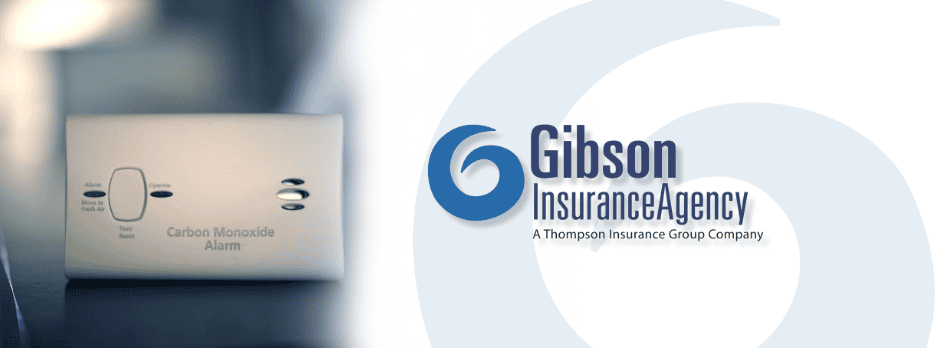
As temperatures drop and we rely more on indoor heating, one silent winter danger becomes especially important to keep on your radar: carbon monoxide. Often called “the invisible killer,” carbon monoxide (CO) is colorless, odorless, and impossible to detect without a proper alarm. It can quickly become deadly.
According to the U.S. Centers for Disease Control and Prevention (CDC), unintentional, non-fire-related carbon monoxide poisoning results in over 100,000 emergency department visits, more than 14,000 hospitalizations, and over 400 deaths in the United States each year. (CDC, 2024)
Here are some important tips to help ensure you and your family stay safe from the risks of carbon monoxide:
1. Install and Test Your CO Detectors
Your first line of defense is a working carbon monoxide detector. Place detectors outside each sleeping area and on every level of your home.
Because CO can build up without any warning signs, monthly testing ensures your alarms are always ready to alert you.
2. Avoid Creating CO Hazards Indoors
Many household items produce carbon monoxide, but using them improperly can be dangerous.
Make sure you:
-
Keep generators outdoors and positioned away from windows, doors, and vents.
-
Have fuel-burning appliances, chimneys, and furnaces inspected annually.
Simple steps like these dramatically reduce your risk.
3. Use Extra Caution With Your Vehicle
Letting your car warm up in a closed garage even for a few minutes is extremely dangerous. CO can accumulate fast.
If you need to warm your car in the winter, start it and immediately move it outside the garage before letting it run.
4. Check for Snow and Ice Blockages
Winter storms can block vents for your dryer, furnace, stove, or fireplace and they can also plug your car’s exhaust pipe.
Blocked vents prevent CO from escaping, causing it to back up into your home or vehicle. After snowfalls, always double-check outdoor vents and your car’s tailpipe.
5. Know the Signs of CO Poisoning
Because CO poisoning can mimic the flu or general fatigue, recognizing symptoms is crucial:
Low to moderate exposure:
-
Headache
-
Dizziness
-
Fatigue
-
Nausea
-
Shortness of breath
High exposure:
-
Confusion
-
Vomiting
-
Loss of coordination
-
Loss of consciousness
If you ever suspect carbon monoxide poisoning, move everyone outside immediately and call 911.
Stay Safe This Winter
Carbon monoxide is dangerous because you cannot see it, smell it, or taste it. That is why CO detectors and a few common-sense precautions are essential. Take time this season to protect your home, your family, and yourself. For even greater peace of mind, make sure your home is fully protected and reach out today to review your home insurance coverage.
References
* Centers for Disease Control and Prevention (CDC). (2024). Carbon monoxide poisoning. Retrieved December 11, 2025, from https://www.cdc.gov/carbon-monoxide/about/index.html

